
Planning a Destination Wedding in Europe from the US
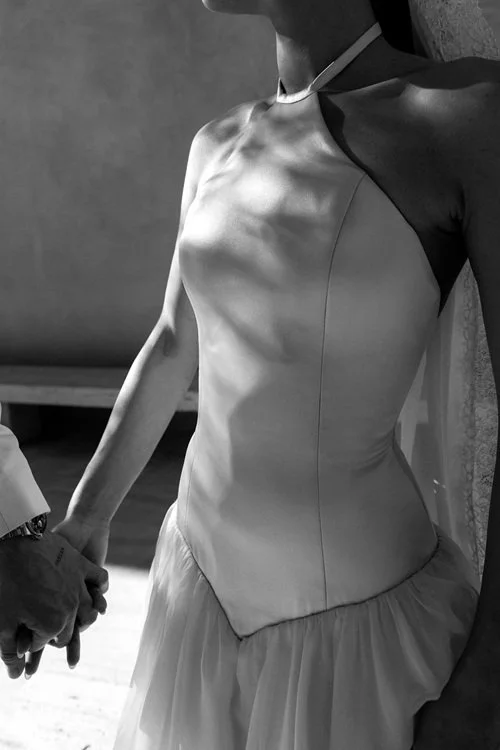
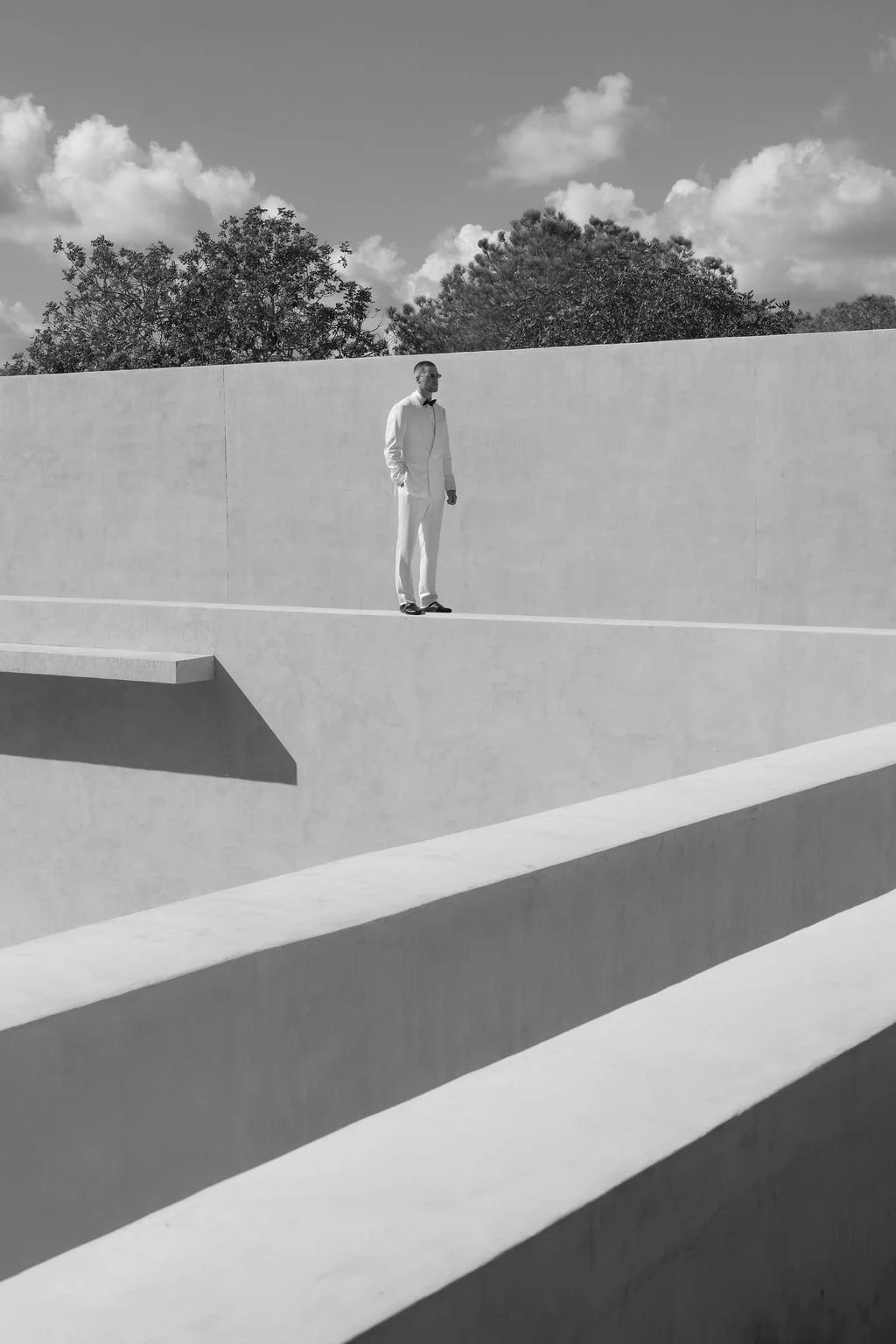
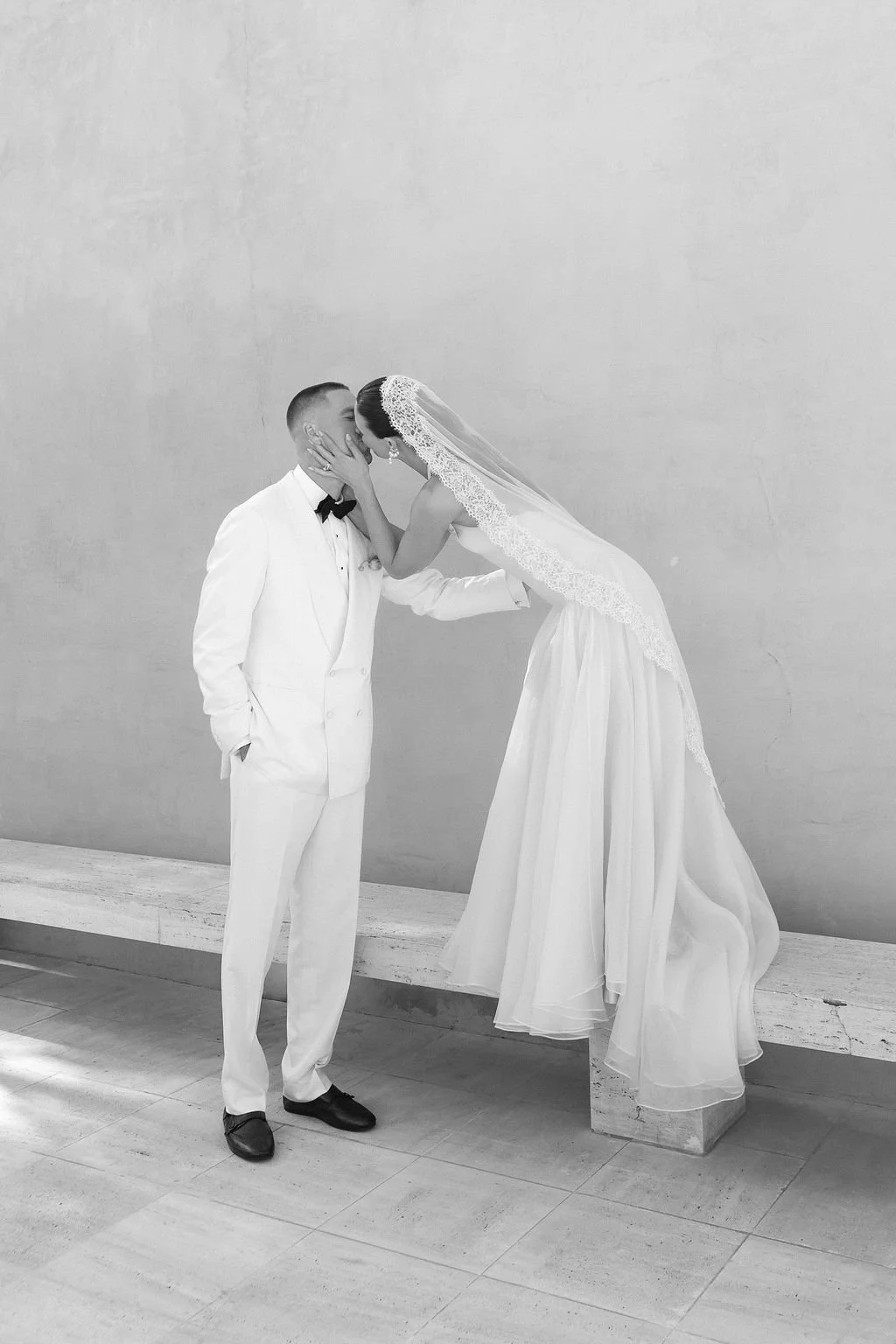
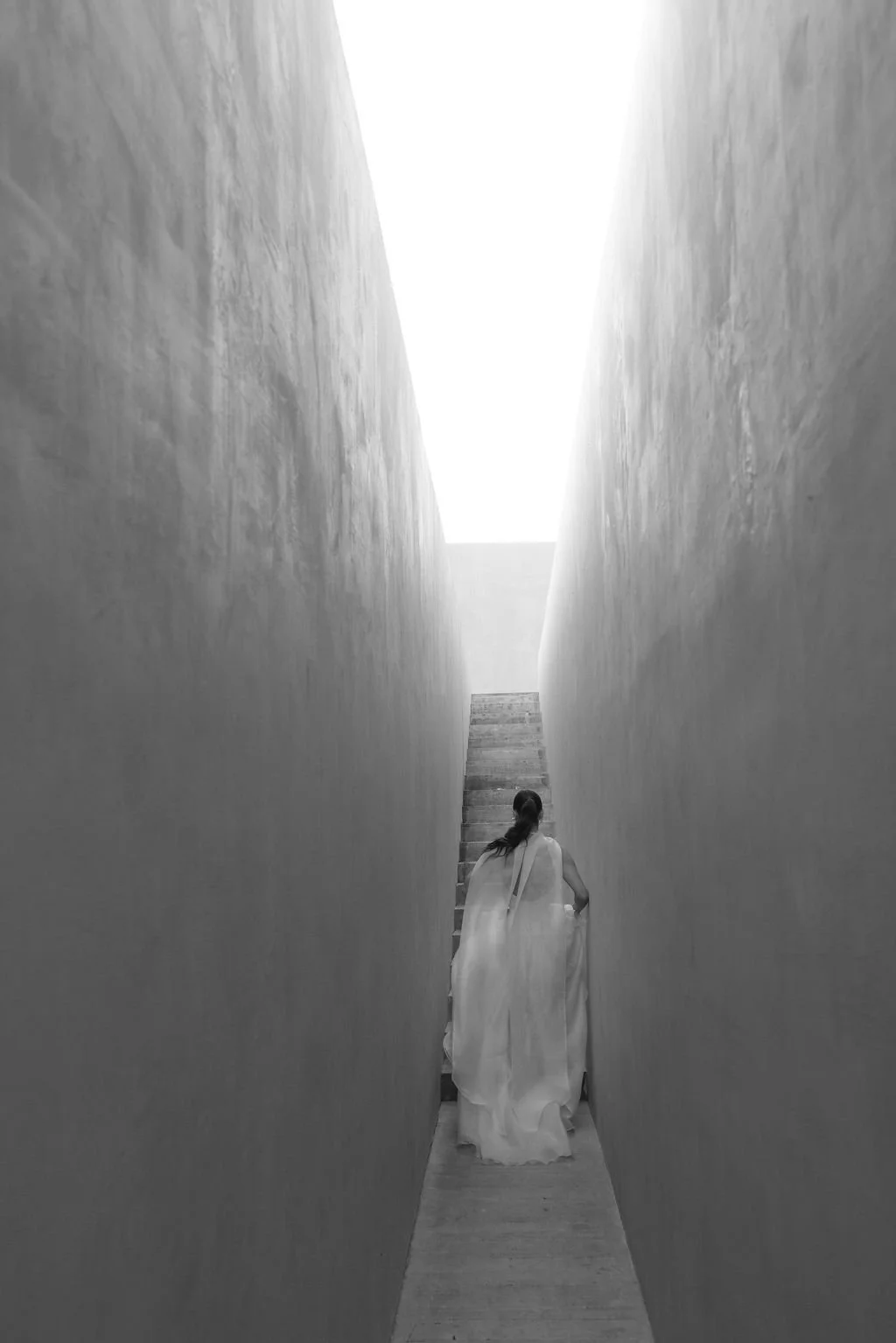
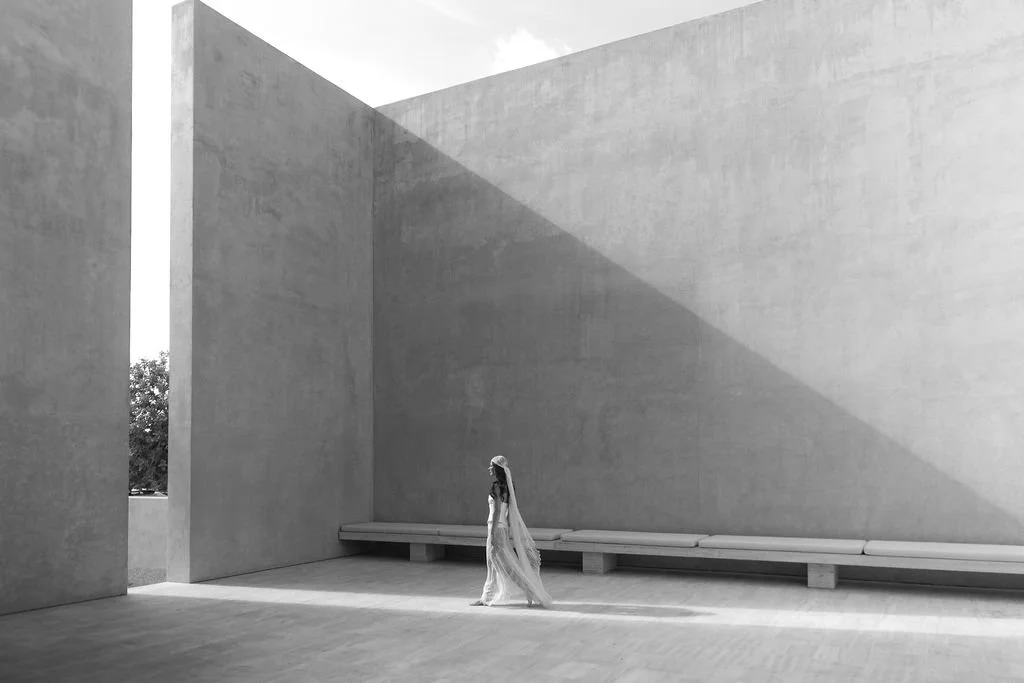
Imagery by Sarah Tonkin
Planning a destination wedding rarely begins with a firm decision. More often, it starts as a question.
Somewhere between venue searches and early conversations, the idea of Europe enters the picture – not as a plan, but as a possibility.
A different pace. A different setting. A different way of experiencing the wedding entirely.
And once that possibility is considered properly, it becomes difficult to ignore.
For many of our couples based in New York, Boston and along the East Coast, planning begins locally. It feels like the natural starting point. But as the process unfolds, something often feels slightly misaligned – the scale, the structure, the pace of the day itself.
It’s at that point the direction begins to shift.
What starts as a question becomes a more considered alternative.
And more often than not, that alternative becomes the direction.
A shift we see time and time again
One of the first conversations we have with our US couples is around guest count.
What begins as a 200–300 guest wedding at home quickly feels misaligned with the kind of experience they actually want. Not because of the number itself, but because of what that number creates in terms of structure, pace and pressure.
A destination wedding naturally refines this.
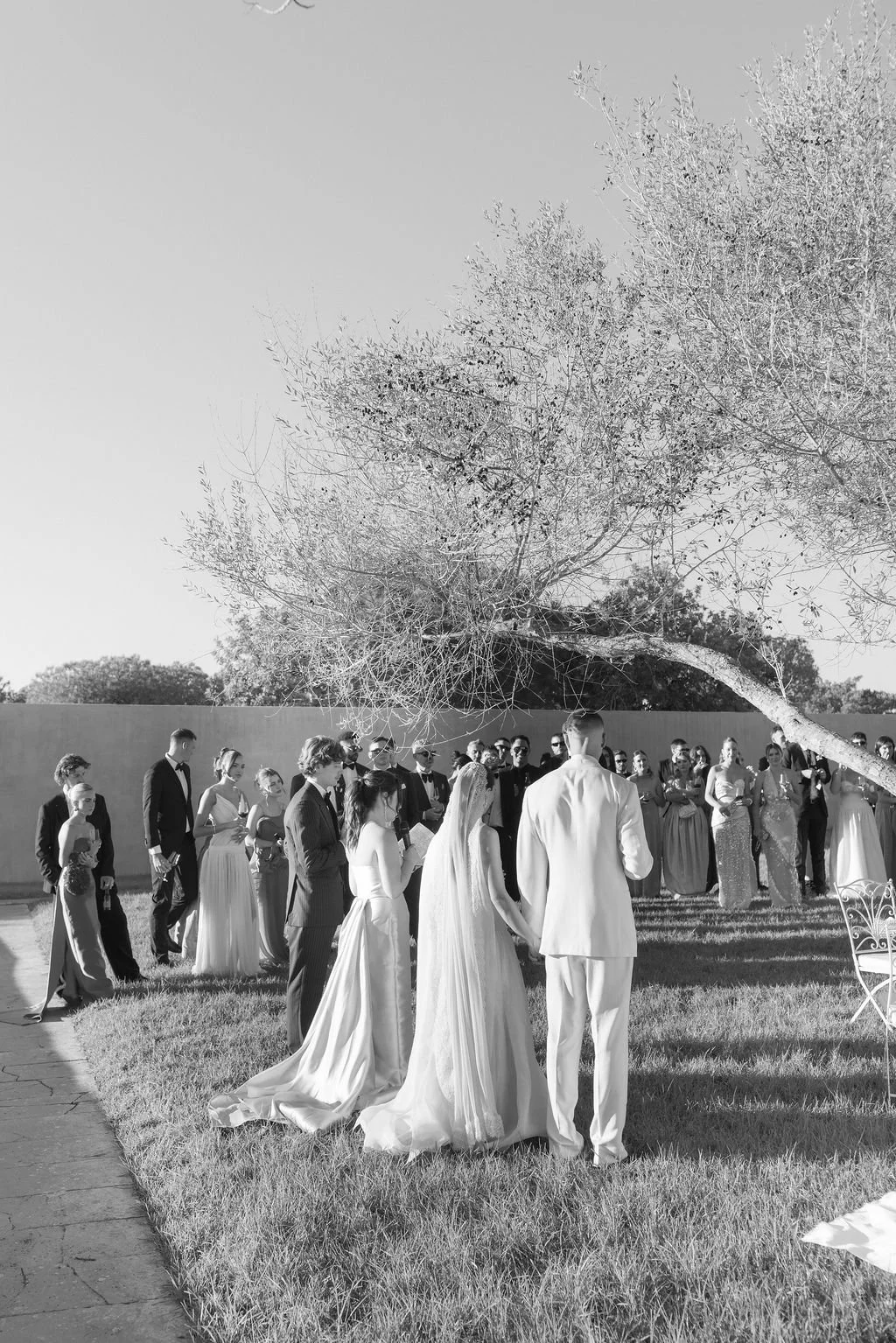
We often see that number settle between 60 and 150 guests – not through restriction, but through clarity. Those who travel are those who are genuinely part of the couple’s world and that immediately changes the atmosphere.
It becomes more connected. More relaxed. More present.
And importantly, it creates space for the wedding to unfold in a different way.
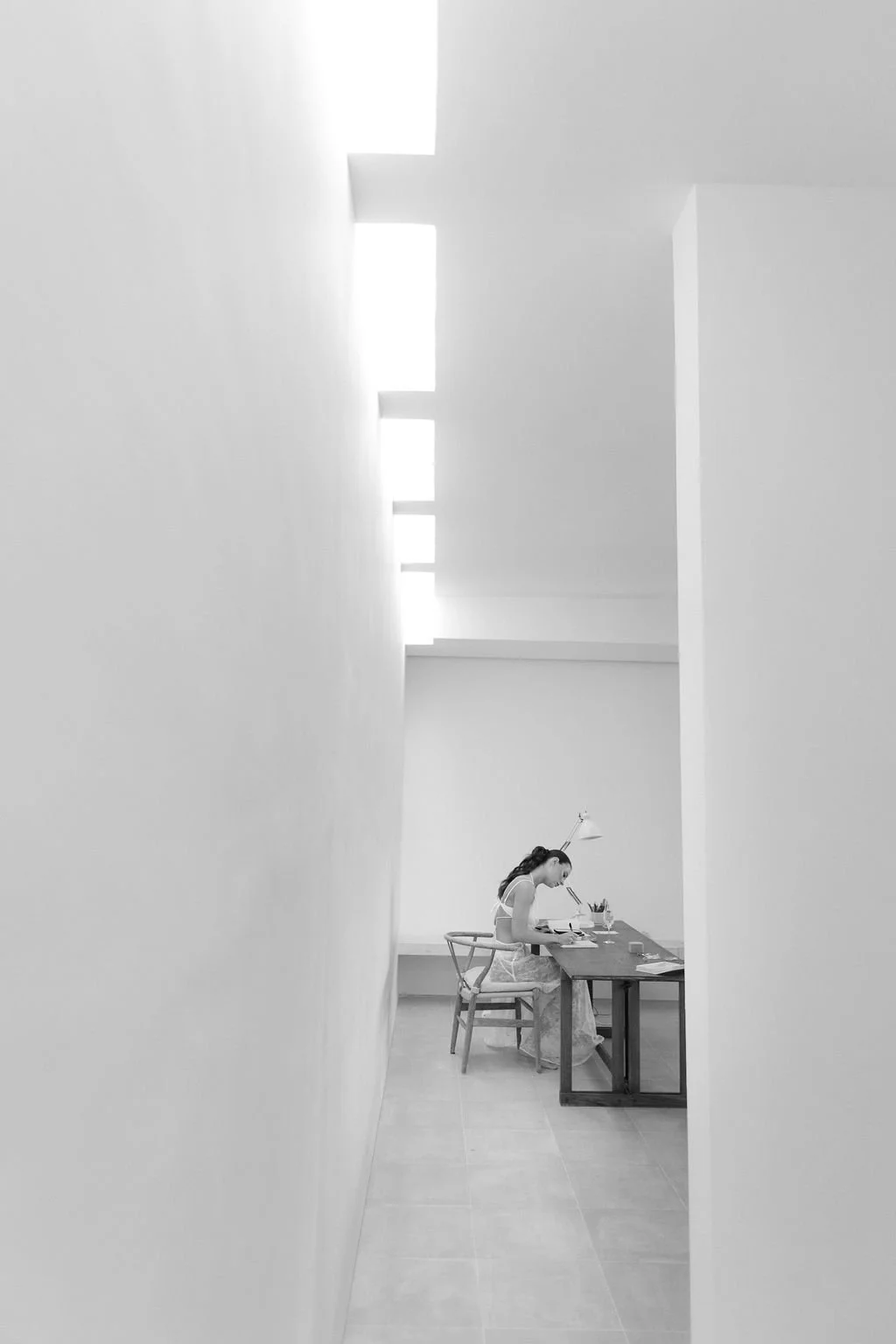
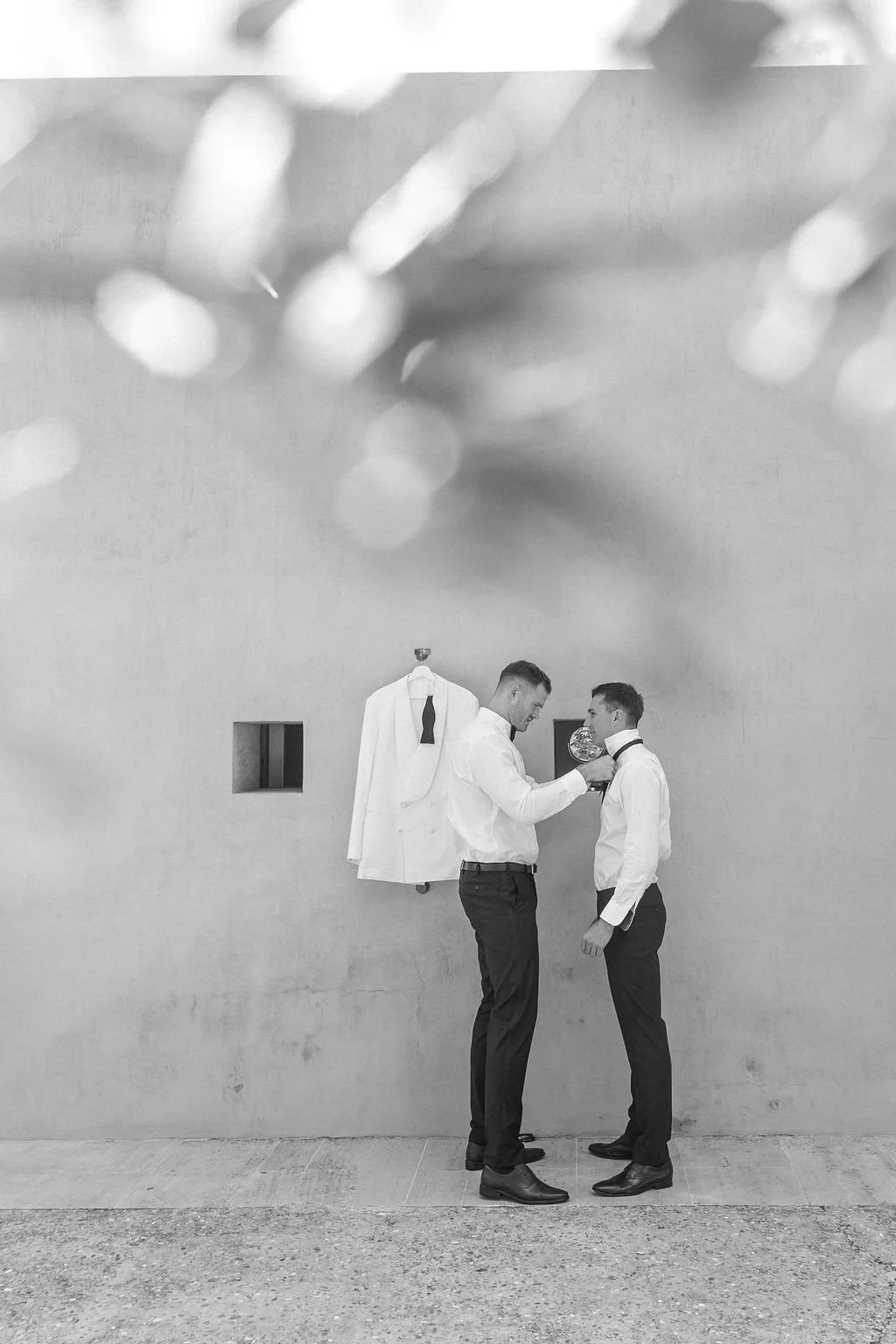
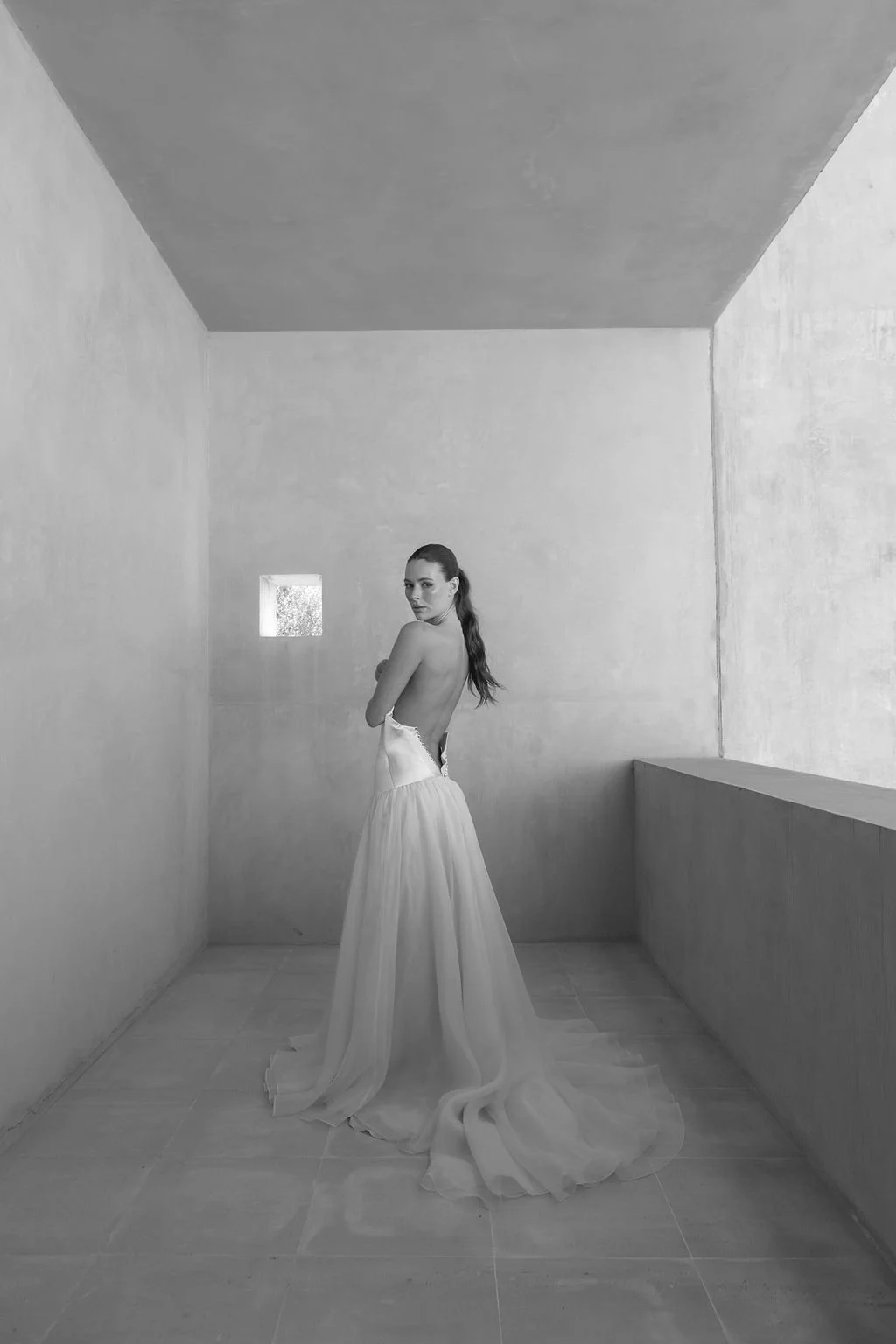

The difference in how Europe operates
One of the biggest misconceptions is that planning a wedding in Europe from the US will feel more complex.
In reality, it is often more streamlined.
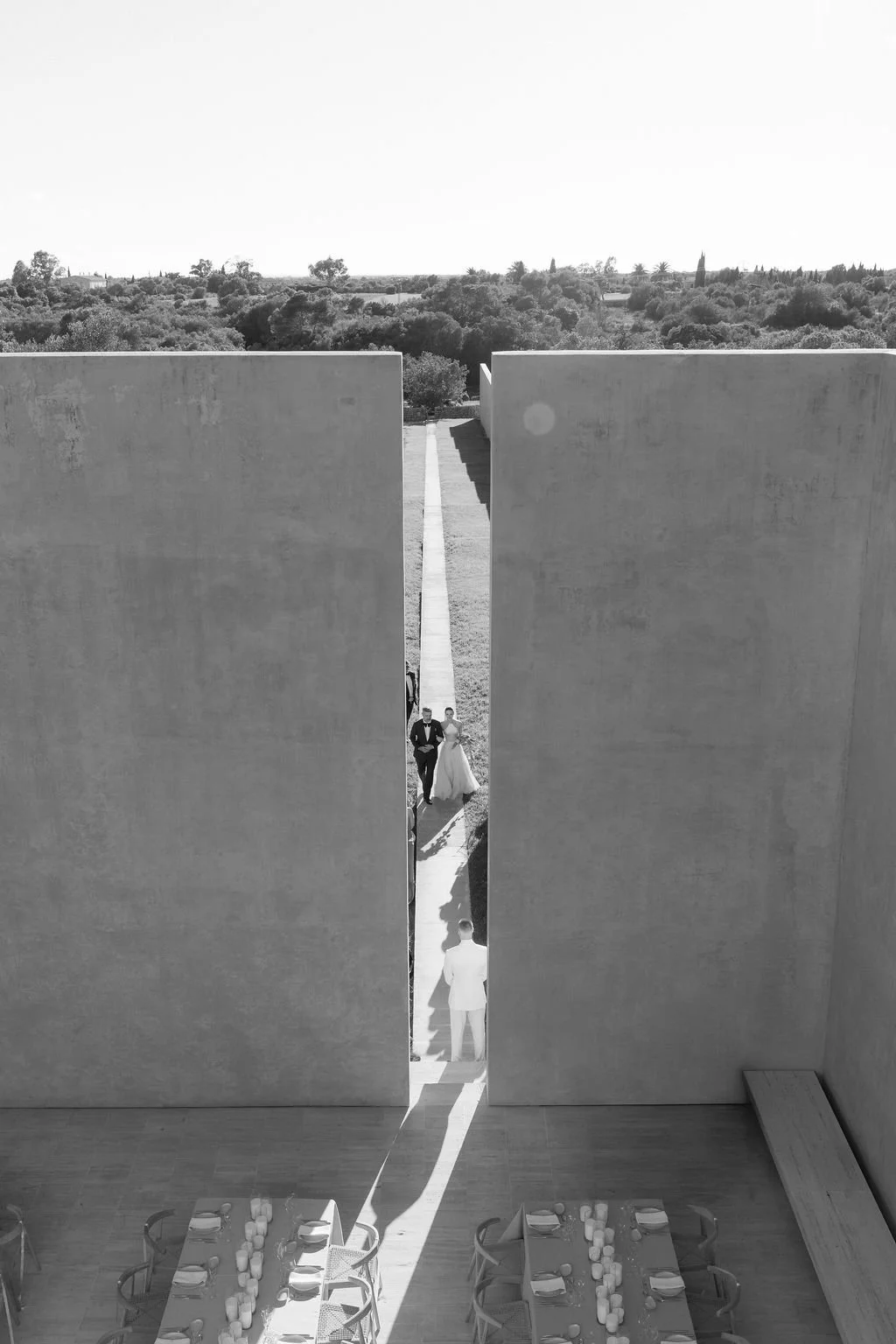
European venues tend to operate as complete environments rather than individual spaces. A private villa in Italy, a château in the South of France, or a coastal property in Greece is not just where the wedding takes place, but where the entire experience is held.
From a planning perspective, this reduces movement, simplifies logistics and allows the overall structure to be defined much earlier.
For our US-based couples, this clarity is often what makes the process feel easier, not harder.
From one day to a full experience
A traditional wedding asks a lot of a single day.
In Europe, the structure shifts.
We guide our couples towards a sequence rather than a single moment. A welcome event that introduces the setting and brings everyone together. A wedding day that is given the space to unfold without urgency. A recovery that allows the energy to carry through, often more relaxed, more informal and just as memorable.
This is often the point where everything clicks.
It stops feeling like an event to manage and starts to feel like an experience to be part of.
The role of the setting
There is, of course, a visual element to Europe that draws couples in.
But what we often explain is that it’s not just about how it looks, it’s about how it allows you to design.
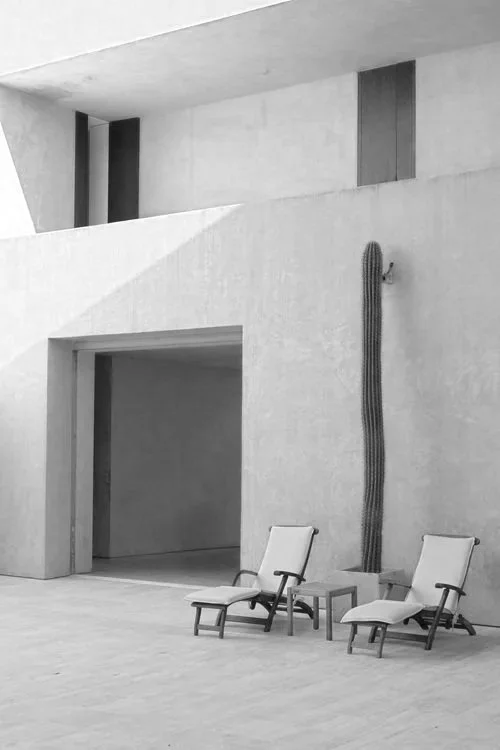
These venues already hold weight. The architecture, the landscape, the history — it’s all there. Which means the approach becomes more considered.
We’re not building something from scratch. We’re working with what already exists.
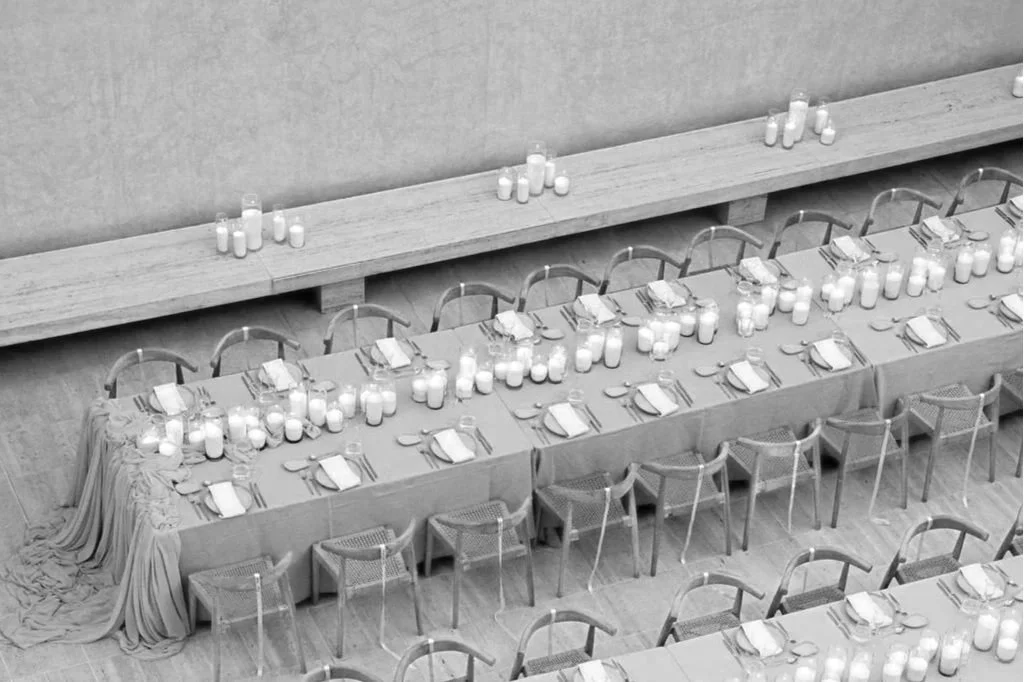
Florals become more intentional. Tables feel lighter. Lighting is integrated. There is a restraint to it, but that restraint is what creates a more refined outcome.
Planning from the US
This is where most hesitation sits.
Distance, time zones, unfamiliar systems – on the surface, it can feel complex. And without the right approach, it can be.
But when structured correctly, the process becomes more streamlined than many couples expect.
For our US-based couples, the experience is less about navigating distance and more about working within a clear and considered framework from the outset.
Working with a destination wedding specialist who operates across Europe brings a level of clarity to the process.
Decisions become more defined, the direction is established earlier, and the overall standard is consistently elevated – allowing the experience to feel considered from the outset.
What US couples often ask us at the beginning
Before committing to Europe, there are a handful of questions that come up consistently for our US couples.
The first is around guest experience — whether asking people to travel will feel like too much. In practice, we find the opposite. Guests who attend a destination wedding arrive with intention. They’ve made the decision to be there and that changes the energy entirely.
There is also often concern around distance and logistics. Planning from the US can feel unfamiliar at first, particularly when navigating different regions, vendors and timelines. With the right structure in place, however, the process becomes far more streamlined than many expect.
Timing is another consideration. Most destination weddings in Europe sit comfortably within a 12 to 18 month planning window, allowing enough space to secure the right venue and build the team around it without unnecessary pressure.
And finally, there is the question of whether it is truly worth it.
For most of our couples, this becomes clear very quickly. What begins as a logistical decision ultimately becomes a shift in how the wedding is experienced – not just by the couple, but by everyone involved.
Understanding the investment
Cost is always part of the conversation.
For many of our East Coast couples, particularly those based in New York or Boston, wedding budgets are already operating at a level where the question becomes less about how much and more about how it’s allocated.
In Europe, we often see that investment shift.
Fewer guests, extended venue use and multi-day events become the priority. At the same time, there are additional considerations – travel, logistics and production – that need to be carefully structured from the beginning.
The overall investment may sit within a similar range, but what it delivers feels entirely different.
What actually makes it work
Planning from the US does require a different level of structure.
Time zones, local knowledge and understanding how each region operates are all critical. But when managed correctly, it removes a significant amount of uncertainty from the process.
This is where we see the biggest difference for our couples.
Instead of navigating multiple options and conflicting decisions, everything is streamlined. The right location is selected early. The vendor team is built with intention. The timeline is clear.
And from there, the process becomes focused.
Choosing the right destination
Each region offers something distinct and the decision is rarely based on aesthetics alone.
Italy is often chosen for its sense of place — iconic, recognisable, and deeply atmospheric. The South of France lends itself to a more structured, refined approach. Greece offers a strong emphasis on landscape and guest experience. Spain introduces a slightly more relaxed energy, often paired with strong value.
The right choice sits at the intersection of guest travel, overall vision and how the couple wants the wedding to feel across several days.
A more considered way of approaching a wedding
What ultimately draws our US couples to Europe is not just the setting.
It’s the opportunity to step away from a traditional framework and approach the wedding in a more intentional way.
Less driven by scale. Less influenced by expectation. More focused on how it feels to be there, across every moment.
A wedding that isn’t just about the day itself, but about everything that surrounds it.
For couples based across the US, planning a wedding in Europe is rarely just about the destination itself. It’s about approaching the entire experience in a more considered way – from the guest dynamic through to how each moment unfolds.
We work with a select number of couples each year across Italy, France, Greece and Spain, guiding the process from initial direction through to full production onsite.
Ensuring that what begins as an idea is realised with clarity, intention and a sense of ease from beginning to end.